Richard Rabbit How to Draw Richard Rabbit From Pepa Pig Easy

Wayne Shipley Getty Images
Over 20 adorable rabbits, guinea pigs and other small animals urgently need to be fostered, after Blue Cross' Newport branch has run out of space on site to house them.
The charity needs help from animal-lovers whilst they wait for them to be permanently adopted in the area. If you have experience handling and caring for pets, are self-motivated and have a willingness to learn, then this exciting opportunity is just for you.
Before you submit your application, it's also worth knowing you will have to be willing to learn and follow the Blue Cross' procedures.
While the foster carers won't permanently keep the animals, they will help them until they find a new home (and of course have plenty of cuddles, too). Some of the jobs you will be doing include...
- Caring for Blue Cross pets in your own home
- Providing all the care they need – feeding, exercising, cleaning and socialising
- Giving medication and grooming
- In some cases, helping them recuperate from operations
- Keeping accurate records
Laura Drummond, a volunteer who currently looks after two rabbits, told South Wales Argos: "I work from home and have plenty of space and by fostering you feel like you're making a real difference and get lots of support from the unit's team."

Blue Cross' rehoming and advice unit in Newport's manager Georgie Riley also said: "We desperately need more foster carers like Laura to help us to help more small animals in the area. We currently only have four volunteers who can help us and they are already caring for small animals for us."
If you think you can help foster one of the animals, apply via the online form.
Like this article? Sign up to our newsletter to get more articles like this delivered straight to your inbox.
SIGN UP
8 native British animals to look out for in winter
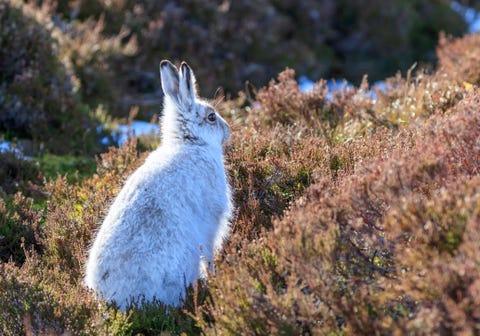
Mountain hares
A true winter spectacle, mountain hares shed their brown fur in late November, turning their coats a blueish-white until April. This makes them much easier to spot running in the fields, especially to predators like Golden Eagles.
Where to spot them: The Peak District and Upper Pennines in England, Snowdonia in Wales and the Scottish Highlands.
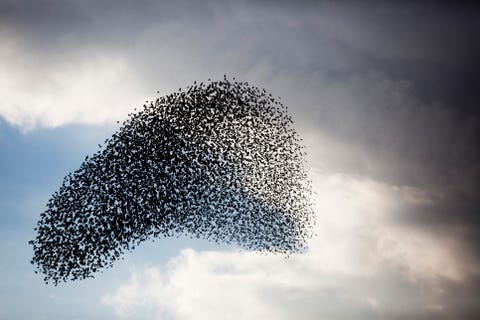
Starlings
Starlings take centre stage at this time of year too. Marshlands and reed beds are transformed as thousands of birds return to roost. Before they bed down for the night, the starlings perform a special dance (known as a murmuration) in the sky at dusk. A seriously special sight.
Where to spot them: The RSPB has a helpful list of locations on its website.
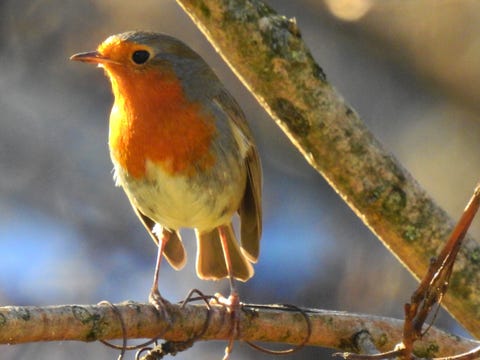
Robins
With their bright red plumage, robins provide a much needed splash of colour in the winter months which can be easily spotted in gardens and on woodland walks. Listen out for their distinctive song from the trees and bushes as they hunt for worms.
Where to spot them: Gardens and woodland across the UK.
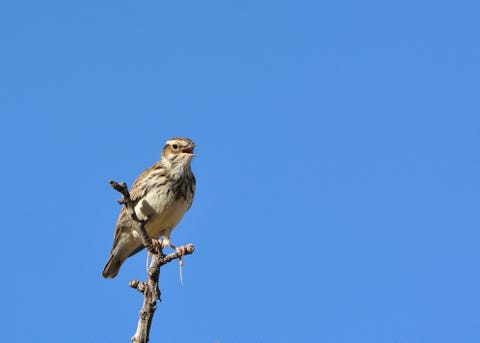
Woodlarks
A close relative of the very vocal skylark, the woodlark flexes its vocal chords in the winter months with a delicate and fluting song. February and March are when you're most likely to catch a glimpse.
Where to spot them: The New Forest, heaths in Surrey, Berkshire and Suffolk, Hampshire, Devon and East Anglia. Visit the RSPB website for more information, and to hear audio of their call.
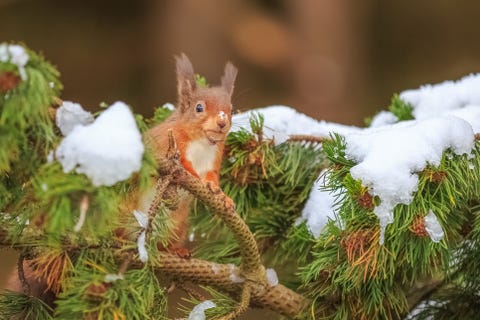
Red squirrels
Red squirrel numbers are sadly in decline, but you can still catch a glimpse of this charming creature as they venture into nature reserves and woodlands to feed from bird tables and peanut feeders.
Where to spot them: Three-quarters of the dwindling population are found in Scotland and Ireland, along with the Isle of Wight, Dorset and Northumberland. The Wildlife Trust has a full list of locations on their website.
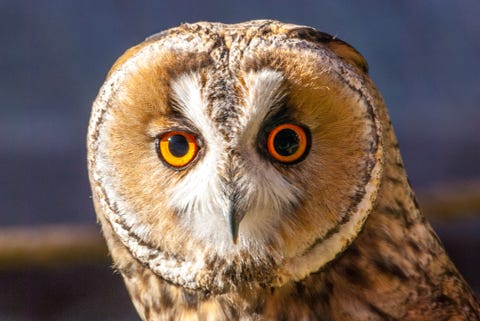
Short-eared owls
Owls are majestic yet elusive creatures. Now's the time to try and catch a rare glimpse of short-eared owls in the wild as they head to wetlands and coastal marshes in search of food. They're one of the few owls that hunts in daylight, and isn't put off by fellow birds, so you may well be in luck!
Where to spot them: WWT Wetland Centres can point you in the right direction. Try Slimbridge in Gloucestershire, or Leighton Moss in Lancashire.
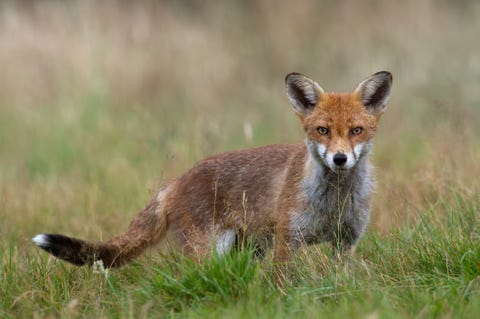
Foxes
A short four-day mating season brings foxes out into the open with their distinctive piercing mating call. Some say it sounds like a scream, while others compare it to a howl, either way, you can't miss it!
Where to spot them: Wooded rural areas and urban backstreets after dark.
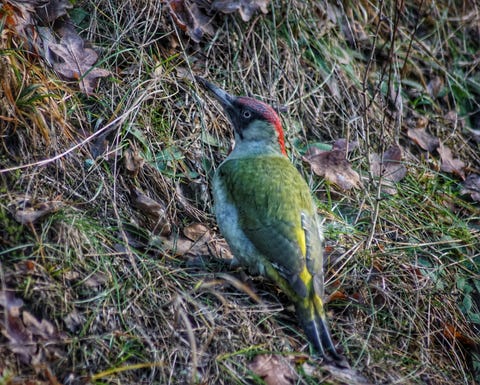
Green woodpecker
January and February are the nosiest months for this native bird as they nest in the trees to mate. The largest of the three British woodpeckers, their distinctive colour and call, along with their preference for feeding on the ground, means you should be able to catch a glimpse.
Where to spot them: In gardens and woodlands nationwide, except for the far north and west of Scotland and Ireland.
Source: https://www.countryliving.com/uk/wildlife/pets/a31127841/rabbits-guinea-pigs-foster-blue-cross/
0 Response to "Richard Rabbit How to Draw Richard Rabbit From Pepa Pig Easy"
Post a Comment